
ROP Screening
Overview
Definition
Retinopathy of Prematurity (ROP) is a condition where abnormal blood vessel growth occurs in the retina of premature infants, potentially leading to retinal detachment and vision loss.
Who Should Be Screened?
- Premature infants born before 30 weeks of gestation
- Infants with a birth weight less than 1,500 grams
- Infants with unstable clinical courses like sepsis, respiratory distress
Timing of Screening
- Infants born at 27 weeks of gestation or later should be screened at 4-week postnatal age
- Infants born before 27 weeks should be screened at 31 weeks’ postmenstrual age (gestational age plus postnatal age)
- Timing may vary based on the infant’s condition and gestational age.
Importance of ROP Screening
- To prevent vision loss and manage the progression of the disease.
- Timely treatment can prevent severe outcomes such as retinal detachment and blindness.
- To reduce the risk of retinal detachment and blindness.
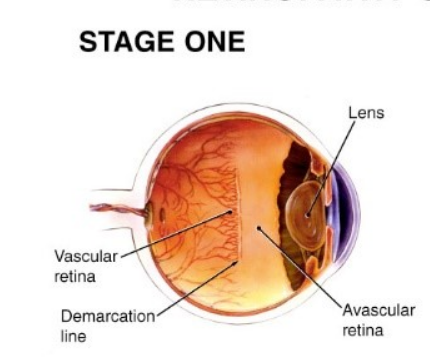
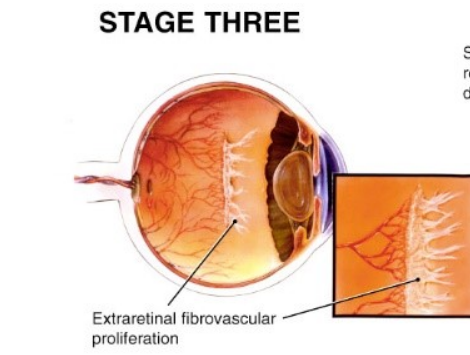
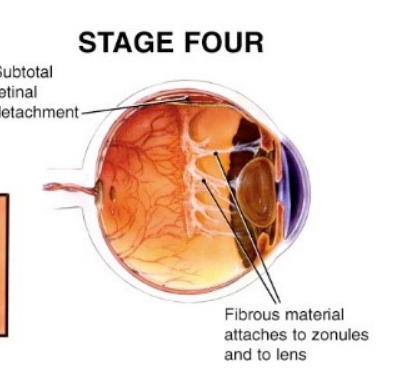
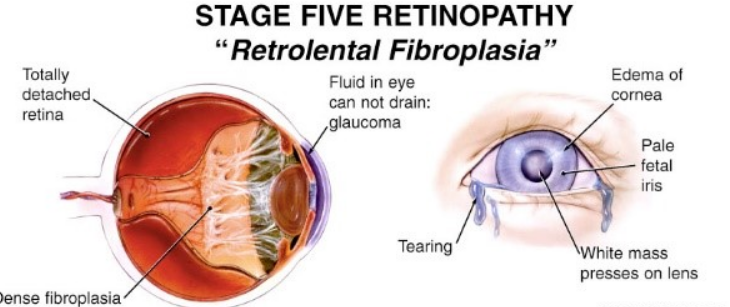
Different ROP (Retinopathy of Prematurity) Stages
Stage 1
Stage 2

Stage 3
Stage 4
Stage 5
Treatments @ ABO
Laser Therapy
Laser photocoagulation is used to treat the peripheral avascular retina to prevent the growth of abnormal blood vessels.
Cryotherapy
Freezing parts of the peripheral retina to halt abnormal blood vessel growth.
Anti-VEGF Injections
Medications like bevacizumab are injected into the eye to block vascular endothelial growth factor (VEGF), which drives abnormal blood vessel growth.
Surgery
In severe cases, procedures such as scleral buckling or vitrectomy are performed to reattach a detached retina.