
Neuro-ophthalmology
Overview
Neuro-ophthalmology is a specialised field within both neurology and ophthalmology that addresses visual problems related to the nervous system. This subspecialty focuses on diagnosing and managing conditions where visual disturbances are linked to the nervous system rather than the eyes themselves.
Types
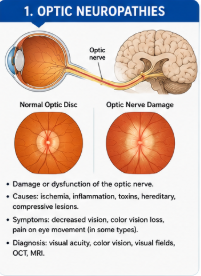
Optic Neuropathies
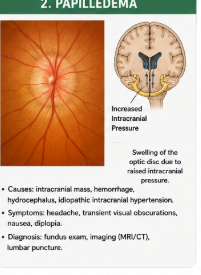
Papilledema
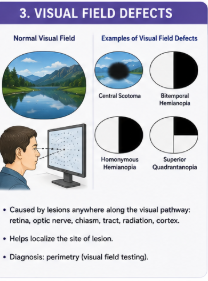
Visual Field Defects
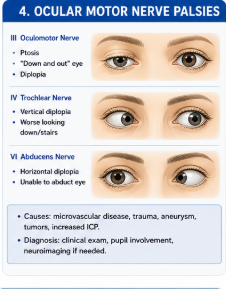
Ocular Motor Nerve Palsies
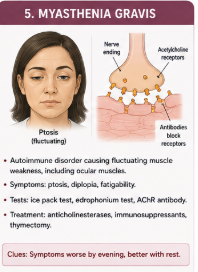
Myasthenia Gravis
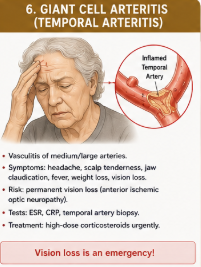
Giant Cell Arteritis (Temporal Arteritis)
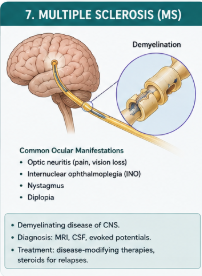
Multiple Sclerosis (MS)
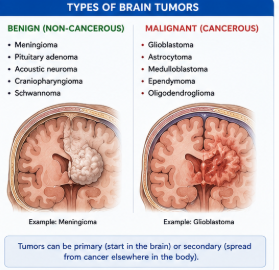
Brain Tumours
Symptoms
- Vision loss, pain with eye movement (Optic Neuritis).
Sudden vision loss (Ischemic Optic Neuropathy). - Headaches, visual disturbances, nausea, vomiting
- Loss of peripheral vision (Bitemporal Hemianopia).
- Loss of vision on the same side in both eyes (Homonymous Hemianopia).
- Double vision, drooping eyelid (Third Nerve Palsy).
- Eye turning inward (Sixth Nerve Palsy)
- Ptosis (drooping eyelid), double vision, muscle weakness.
- Severe headache, scalp tenderness, jaw claudication, sudden vision loss
- Optic neuritis, double vision, involuntary eye movements
Vision changes, visual field defects, headaches, nausea, neurological symptoms
Treatments @ ABO
Optic Neuritis:
Steroids, disease-modifying therapies for MS.
Ischemic Optic Neuropathy:
Corticosteroids, addressing underlying conditions. Papilledema
Treat underlying cause: tumour removal, managing intracranial pressure, medications for pseudotumour cerebr
Bitemporal Hemianopia:
Surgery for pituitary tumours
Homonymous Hemianopia:
Rehabilitation, compensatory strategie
Third Nerve Palsy: Treat underlying cause, possible surgical intervention.
Sixth Nerve Palsy: Prism glasses, treat underlying conditions
Myasthenia Gravis
Anticholinesterase medications, immunosuppressant, possible thymectomy
Giant Cell Arteritis (Temporal Arteritis)
High-dose corticosteroids to reduce inflammation and prevent vision loss
Multiple Sclerosis (MS)
Disease-modifying therapies (e.g., interferons, monoclonal antibodies), steroids for acute symptom
Brain Tumours
Surgery, radiation therapy, chemotherapy, depending on the tumour type and location