
Retinal Screening
Overview
Preventive Measures for Corneal Disorder
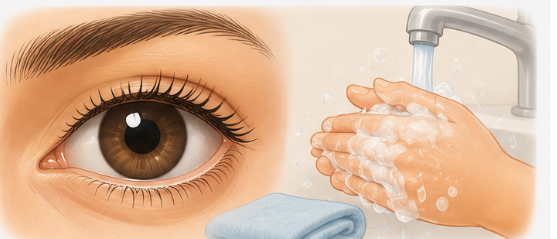
Proper Eye Hygiene
Regularly clean and replace contact lenses as directed to prevent infections and complications.
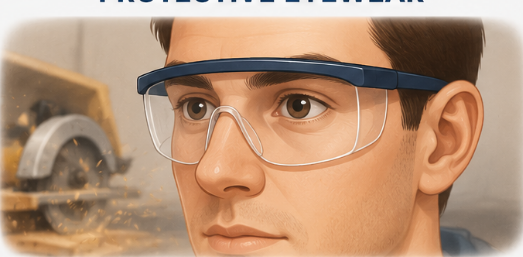
Protective Eyewear
Use protective glasses or goggles in environments with high exposure to dust, wind, or chemicals to safeguard your eyes
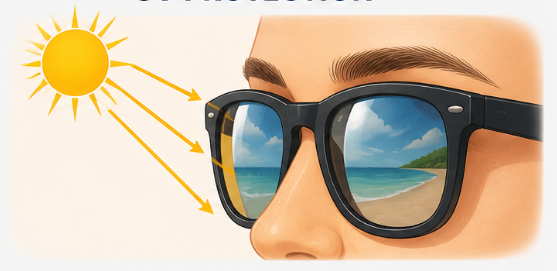
UV Protection
Wear sunglasses with UV protection to prevent damage from harmful sunlight.
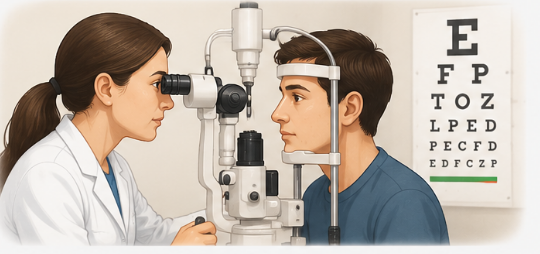
Regular Eye Exams
Schedule routine check-ups with an eye care professional to detect and manage potential issues early.
Symptoms Indicating the Need for Retinal Screening
- Vision Changes
Blurry Vision: Persistent or sudden blurriness that doesn’t clear up with changes in lighting or glasses.
Floaters: Dark spots, strings, or shadows that move across your field of vision.
Flashes of Light: Seeing flashes or bursts of light, especially in peripheral vision - Difficulty Seeing
Reduced Night Vision: Trouble seeing in low-light or night-time conditions.
Distorted Vision: Seeing straight lines as wavy or bent, or other distortions in vision. - Eye Pain or Discomfort
Persistent Pain: Ongoing or sharp pain in or around the eyes.
Eye Irritation: Chronic irritation or redness not related to allergies or infections. - Symptoms of Underlying Health Conditions
Diabetes: If you have diabetes, regular retinal screenings are crucial to monitor for diabetic retinopathy.
High Blood Pressure: Those with hypertension should be screened regularly to check for retinal changes related to high blood pressure. - Other Warning Signs
Sudden Vision Loss: Abrupt loss of vision or partial vision loss in one or both eyes.
Difficulty Focusing: Trouble focusing on objects at different distances.