
Cataract
Overview
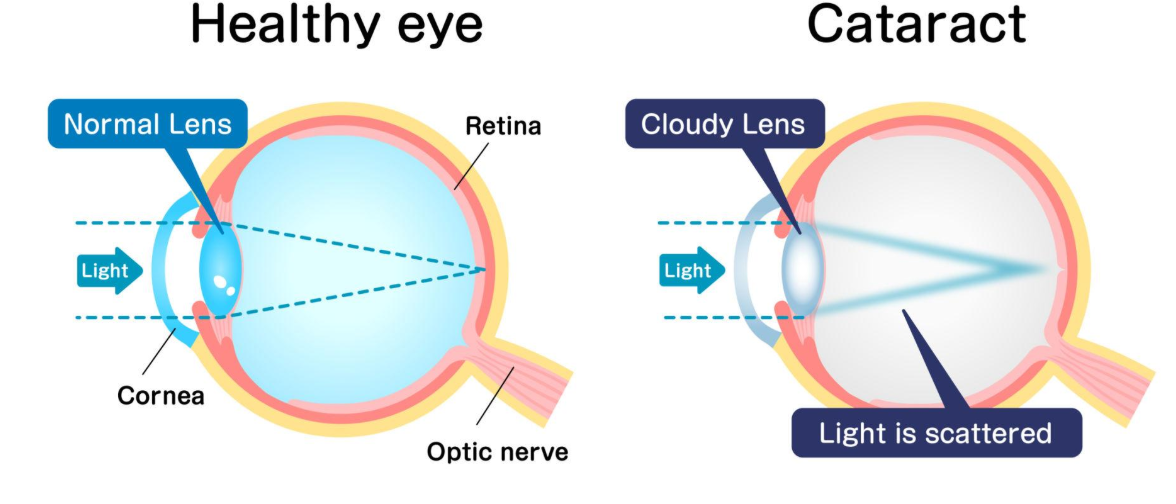
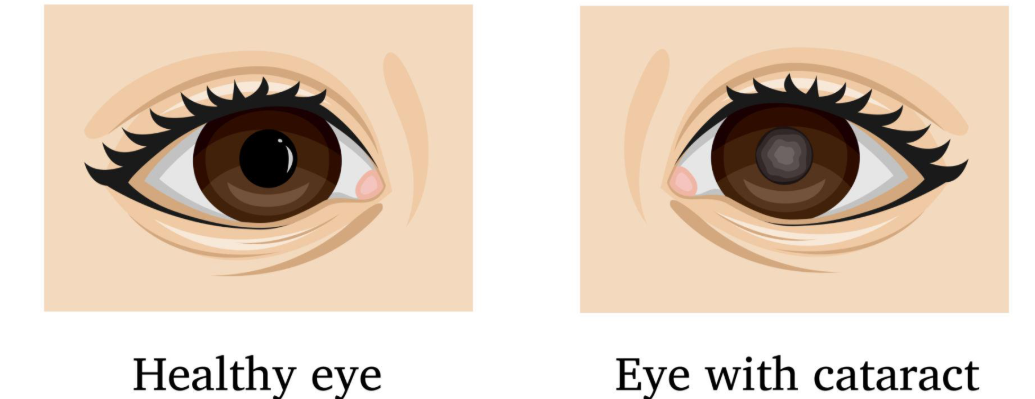
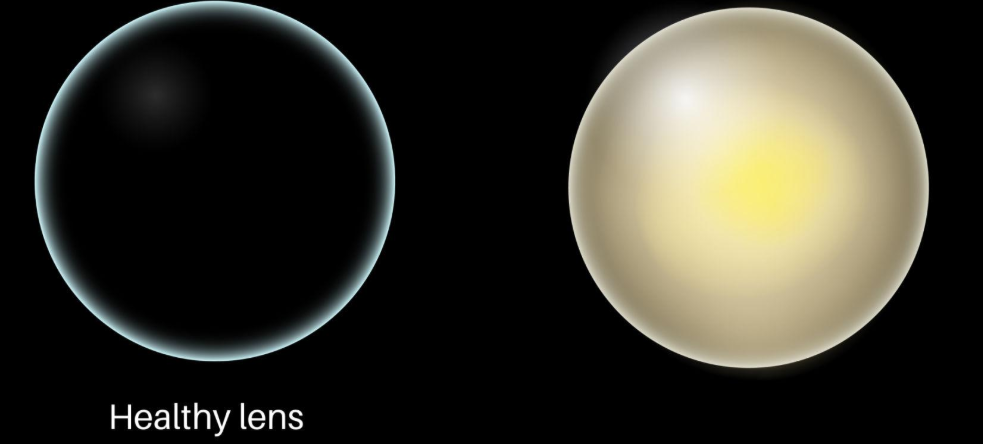
A cataract is the clouding of the lens inside the eye, which results in diminished vision. The lens is normally clear and helps to focus light on the retina at the back of the eye. When a cataract forms, it causes the lens to become opaque or cloudy, which can interfere with vision.
Types of Cataract
Secondary Cataract
Also known as Posterior Capsule Opacification (PCO); can occur after cataract surgery due to thickening of the lens capsule.
Traumatic Cataract
Result of an injury or trauma to the eye, such as a blow or penetration.

Congenital Cataract
Present at birth or develops in early childhood; can be due to genetic factors or in association with other conditions.
Radiation Cataract
Caused by exposure to radiation, such as during cancer treatment or excessive UV exposure.
Symptoms
- Blurry or dim vision, similar to the original cataract symptoms.
- Blurry vision, pain, light sensitivity, and possible visible changes in the eye.
- Vision problems, often noticed as a child has difficulty seeing clearly; may be detected through a routine eye exam.
- Gradual vision loss, similar to other types of cataracts, including blurred vision and light sensitivity.
Treatments @ ABO
- Treated with a quick, non-invasive procedure called YAG laser capsulotomy to clear the cloudy capsule.
- Treatment may involve surgery to remove the cataract and repair any other damage to the eye.
- Treatment typically involves surgery to remove the cataract, often at an early age to prevent vision impairment.
Different Cataract Surgeries Service available at ABO
- Phacoemulsification (Phaco)
- Extracapsular Cataract Extraction (ECCE)
- Intracapsular Cataract Extraction (ICCE)
- Laser-Assisted Cataract Surgery (FLACS)