
Diabetic Eye Care
Overview
Diabetic Eye Care refers to the management and treatment of eye conditions resulting from diabetes. Diabetes can lead to various eye complications that may affect vision and overall eye health.
Causes of Diabetic Eye
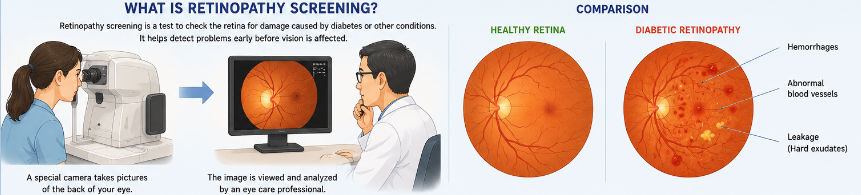
Diabetic Retinopathy
Damage to the blood vessels in the retina

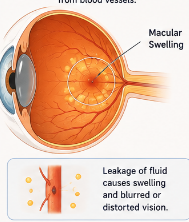
Diabetic Macular Edema (DME)
Swelling in the macula, the central part of the retina.
Glaucoma
Increased pressure in the eye leading to damage of the optic nerve

Cataracts
Clouding of the eye’s lens, which can progress faster in people with diabetes.

What is Diabetic Retinopathy Screening?
Symptoms of Diabetic Eye
Blurry Vision: Vision may become blurred or fluctuating
Floaters: Dark spots or strings in vision
Flashes of Light: Seeing flashes or light bursts in the peripheral vision
Vision Loss: Gradual or sudden loss of vision, especially if untreated
Difficulty Seeing at Night: Problems with vision in low-light conditions.
Treatments @ ABO
Blood Sugar Control Regular Eye Exams
- Laser Therapy: For diabetic retinopathy or DME, laser treatments can help reduce swelling and prevent further damage
- Medication: Anti-VEGF (vascular endothelial growth factor) injections or steroid injections to reduce swelling and manage macular edema
- Surgery: In severe cases, surgical options like vitrectomy may be needed to address retinal damage or bleeding
- Glaucoma Treatment: Includes eye drops, oral medications, or surgery to manage intraocular pressure
- Cataract Surgery: To remove and replace the cloudy lens with an artificial one if cataracts develop