Detached Retina Causes, Types, Symptoms and Treatment
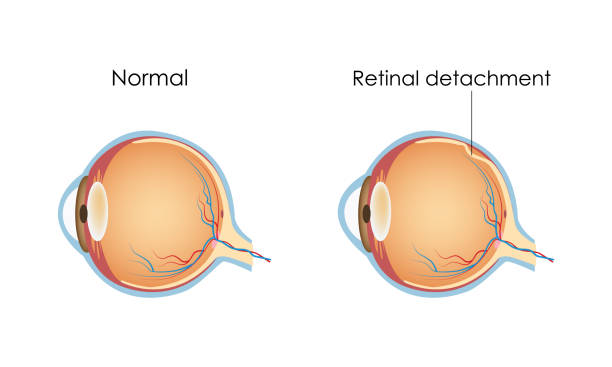
Eye conditions are serious, especially if left untreated. One such problem is the detached retina. As the name suggests, it is a serious issue. When the retina separates from the tissues that support it, it can cause various problems. These can range from simple vision disturbances to severe vision loss. Retinal detachment occurs when the thin tissue at the back of the eye pulls away from its support.
A retinal detachment doesn’t hurt, but it’s serious. It can cause vision loss, so you need to get medical help from an eye doctor in Nagpur at ABO. Now that you understand what is detached retina, let’s dive deeper into its symptoms, causes, the different types of retinal detachment, and the available treatments for this condition.
How does a detached retina happen?
The retina is an important part of your eye that helps you see the world and enjoy its colors. It senses light and sends signals to your brain, allowing you to perceive what you see. When the retina pulls away from the tissues supporting it, it loses its blood supply. The blood vessels in these tissues carry nutrients and oxygen to the retina. Retinal detachment can occur in several ways. The most common cause is a tear, break, or hole in the retina. This allows fluids or tissues to accumulate behind it. Other common causes include:
- Aging
- Any family history of detached retina
- Past eye injury
- Certain eye disorders
- Being nearsighted
The liquid gradually expands to a size that detaches your retina from its layer. Let’s know the various types of retinal detachment and how it happens.
Types of Retinal Detachment
Now this eye condition is of three types.
Rhegmatogenous: This common type of detachment of the retina that develops over time. So, it can be hard to get early treatment. This type causes a hole or tear in the retina. It lets fluid, called vitreous gel, leak underneath the retina. Over time, the fluid collects and causes the retina to pull away from the layer beneath it.
Tractional: Diabetes is a major cause of this type of retinal detachment. And when the blood sugar gets out of control for several days it can damage the eye’s blood vessels. This can cause scar tissue or other abnormal tissues to grow. These tissues pull the retina away from the layer beneath it. As the scar tissue and traction areas grow, they can tug the retina. This may cause a detached retina from the back of the eye.
Exudative: This is a type of retinal detachment. It occurs when fluid builds up behind the retina, even without a tear. Over time, the accumulating fluid pushes the retina away from its supporting tissues. The most common causes are leaking blood vessels or swelling behind the eye. These are often linked to uveitis or eye inflammation.
Symptoms of Detached Retina

Symptoms of detached retina depend on the type of detachment. For example, in rhegmatogenous retinal detachment, symptoms may not appear right away. The condition’s severity also matters. Larger retinal detachment makes symptoms more noticeable. As, the more severe the detachment, the worse the retinal detachment symptoms.
Here are some of the common detached retina symptoms that you may notice:
- Your vision may gradually become blurry.
- Your peripheral (side) vision may worsen.
- You may experience photopsia, which involves seeing flashes of light in one or both eyes.
- Your vision may darken or feel as if a shadow is cast over it.
- You may notice floaters—specks or squiggly lines drifting across your vision. While floaters alone aren’t always alarming, it’s recommended to see an eye doctor if you notice them.
Can a detached retina be fixed?
Of course, retinal detachment is a curable condition. But, you must consider some factors. These factors are, how much the retina is detached and the types of retina detachment you have. There are various detached retina treatments available at ABO Eye Institute, Nagpur.
Treatment for retinal detachment includes laser surgery and freezing, both of which fix the retina. Let’s examine the various detached retina treatment options available.
Laser Surgery (Photocoagulation)
Doctors use laser surgery for small retinal tears or early-stage detachment. A laser creates tiny burns around the tear. They seal the retina to the tissue below and stop fluid from passing through. This procedure is quick, painless, and performed by an ophthalmologist. It is very effective in preventing further retinal detachment when detected early.
Cryopexy (Freezing Treatment)
Cryopexy is another option for small retinal tears. A freezing probe is applied to the affected area, creating a scar that helps secure the retina in place. The procedure is done under local anesthesia and is minimally invasive. Like laser surgery, it works best when performed before the retina has fully detached.
Vitrectomy
Vitrectomy is a surgical procedure used for complex or severely detached retina. The vitreous gel inside the eye gets removed and a silicone oil or a gas bubble is used in its place. This helps push the retina back against the eye wall, allowing it to heal effectively. Over time, the body naturally replaces the gas with fluid. If silicone oil is used, a second surgery may be needed to remove it. Patients may have to hold specific head positions for several days to recover faster. This helps the retina heal.
Pneumatic Retinopexy
Pneumatic retinopexy is a less invasive procedure used for certain types of retinal detachment. A doctor injects a gas bubble into the eye, pressing the detached retina against the back of the eye. The patient must keep their head in a specific position for several days to allow the retina to reattach. This procedure often combines with laser or freezing treatments to secure the retina.
Conclusion
The detached retina is a serious eye issue, and It needs urgent care to prevent permanent vision loss. It’s painless. But don’t ignore symptoms like blurry vision, flashes of light, or floaters. Early detection is key. Treatments like laser surgery and cryopexy can restore vision. But, the choice of treatment you get depends on the severity and type of detachment. Regular eye check-ups can help detect issues early, especially in those at higher risk.